
Select your engine.
Precision starts here
Control starts here
Engine Valves.
Precision airflow. High-RPM stability.
Explore intake and exhaust valves for your build.
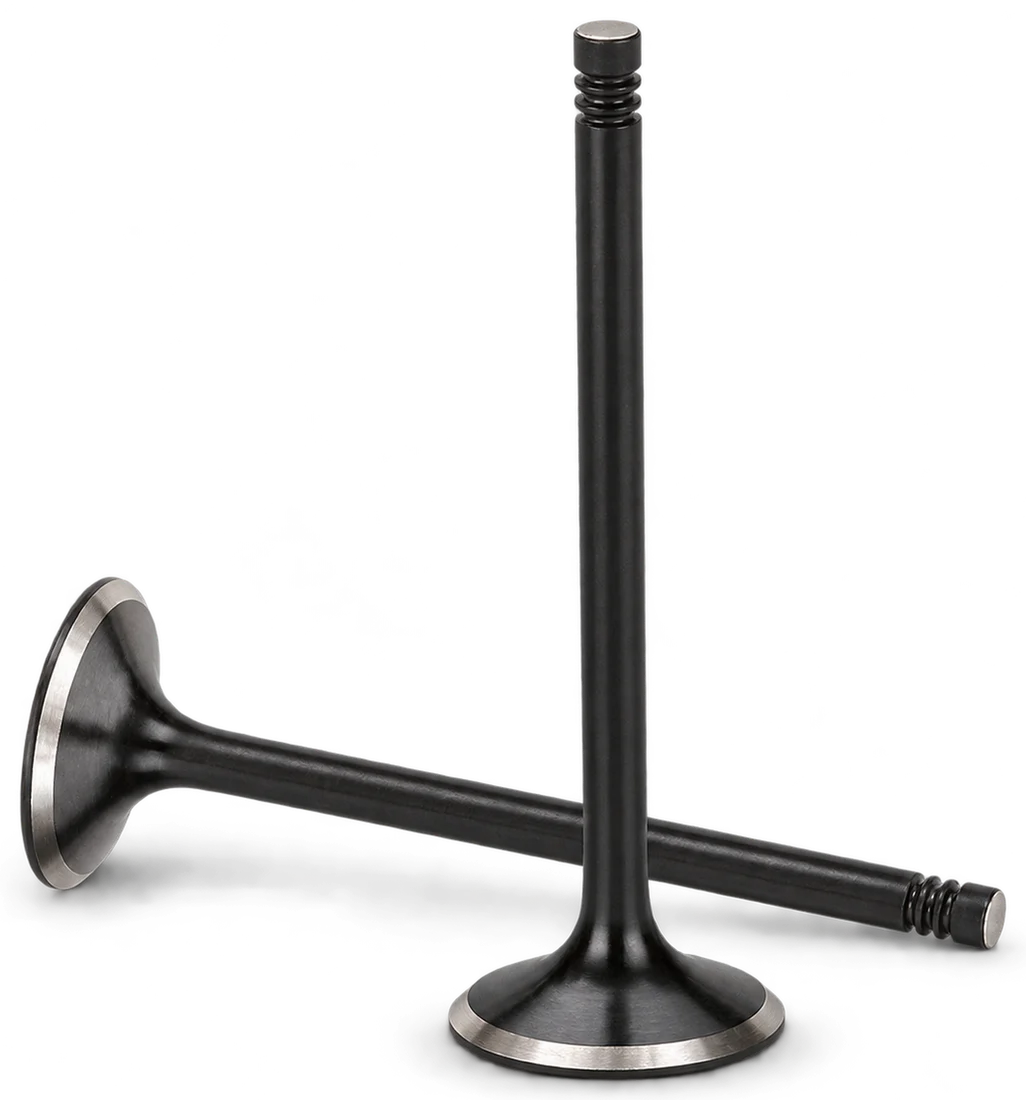
Precision airflow control
Intake Valves
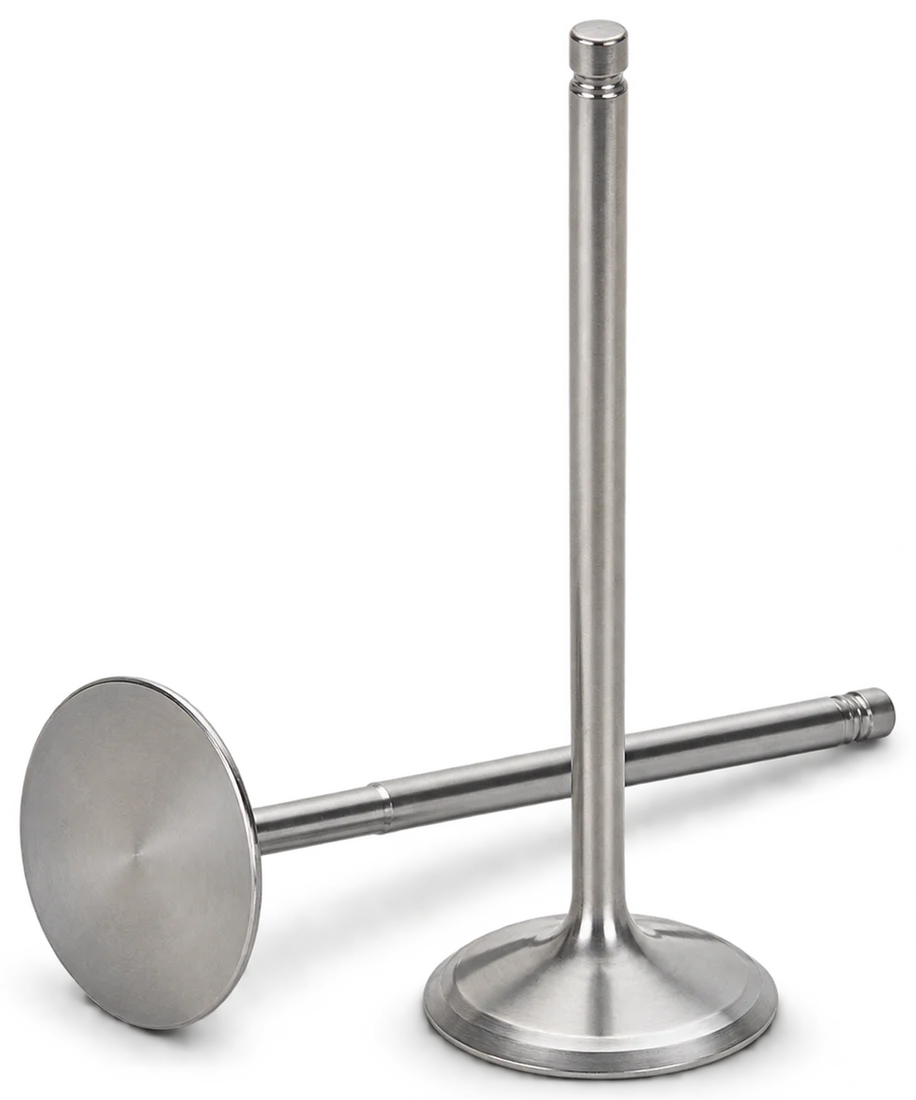
Built to manage the heat
Exhaust Valves
No matching valve categories.
Try “intake” or “exhaust,” or clear your filters to see both categories.
No engine selected. Choose your engine above to refine fitment. Valve size, material, groove type, valve face type, and valve set vary by application.
Complete the valvetrain
Matching components.
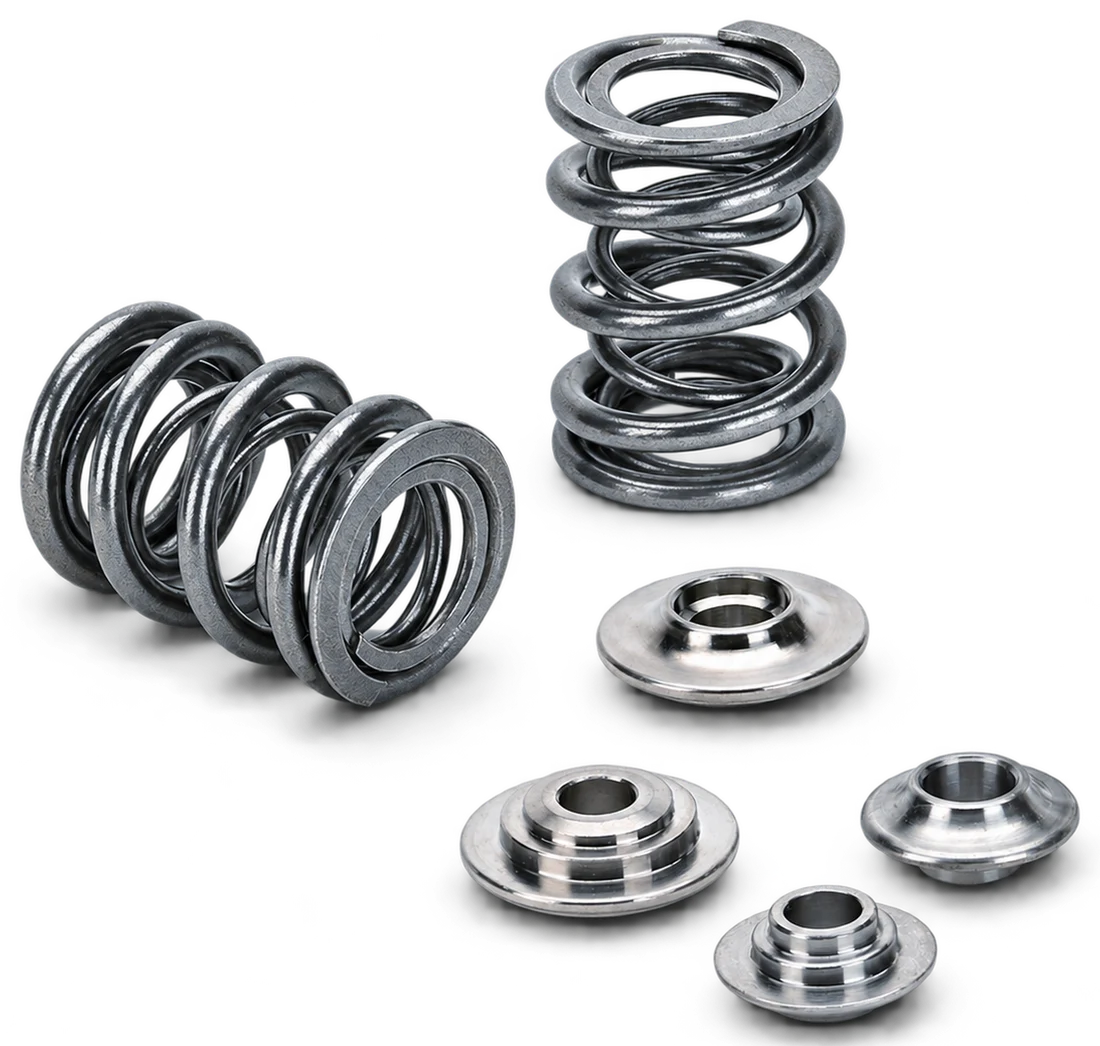
A matched valvetrain
Valve Spring Kits
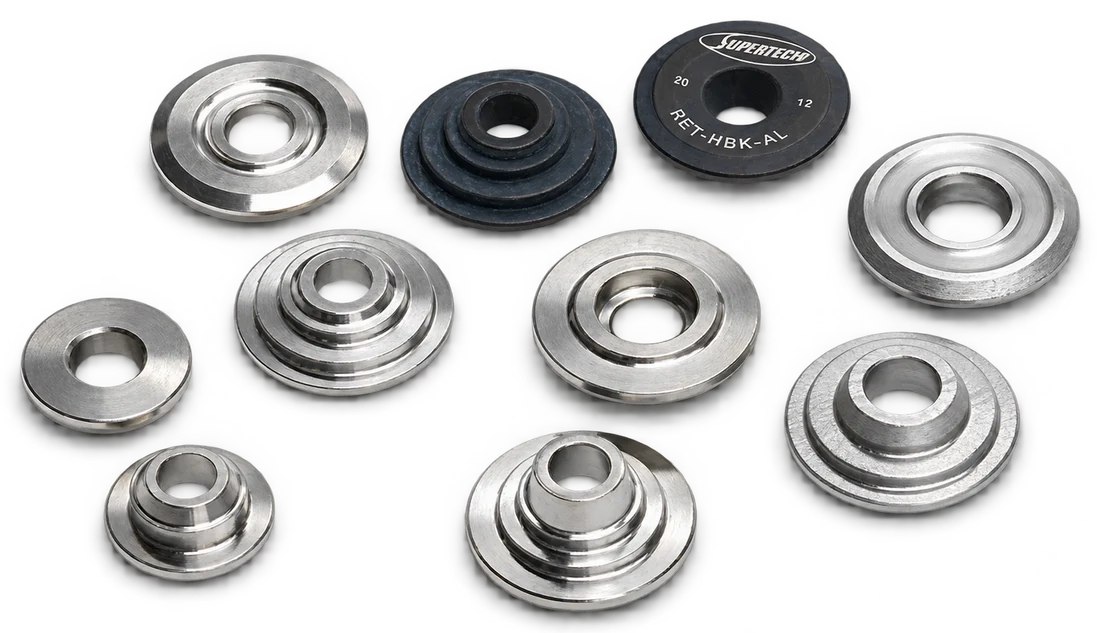
Keep control
Retainers
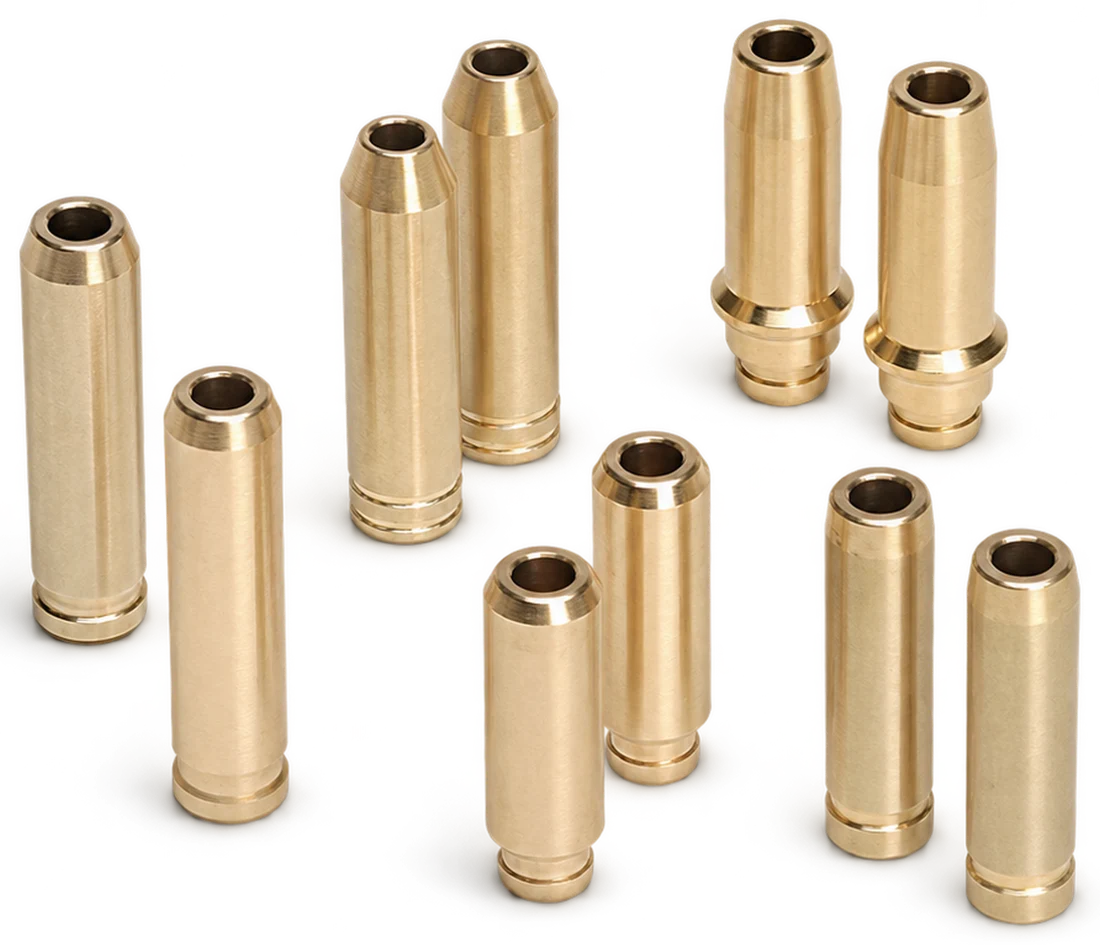
Support at every lift
Valve Guides
Valve specifications
Selection & installation.
Material, finish, and availability vary by engine and part.
Materials & manufacturing
Supertech racing valves combine carefully selected materials, precision profiles, and controlled surface finishes for high-RPM stability, durability under extreme heat, and precise airflow.
From street and boosted engines to endurance and drag racing, the right specification starts with the demands of your build.
Airflow
Optimized head profiles for precise airflow. Superfinished stems help lower friction.
Heat resistance
Carefully selected alloys for the operating temperatures of your application.
Precision
Controlled dimensional tolerances, stem finish, and seat-face accuracy.
Durability
Multi-stage heat treatment and stress relief for demanding engine use.
Stainless steel
Street / performance
21-4N / EV8 stainless options for intake and exhaust applications. One-piece forged, nonmagnetic designs are available; confirm the individual part specification.
- Finish & construction
- Black Nitride options help reduce friction and improve wear resistance.
- Selection note
- A starting point for naturally aspirated street and performance builds.
Inconel
High heat / forced induction
High-temperature alloy options that retain strength under heat, suited to exhaust valves in demanding boosted and racing engines.
- Finish & construction
- Hardened tips and swirl-polished finishes on selected valves.
- Selection note
- Consider for boosted builds and sustained, high-temperature track use.
Titanium
Low mass / professional racing
Lightweight valves for select platforms and professional motorsport applications, helping reduce valvetrain mass at elevated engine speeds.
- Finish & construction
- CrN coating options; confirm the coating and supporting hardware for your part.
- Selection note
- Application-specific selection for a professionally matched valvetrain.
Correct selection, matched hardware, and professional machine work are essential to the finished build.
Technical resourcesValve size & geometry
Choose OE diameter for stock ports. Oversize valves should be paired with ported heads and verified airflow results—not selected on diameter alone. OE, +1mm, and +2mm options vary by platform.
Flat or dished heads, undercut or straight stems, and head profiles also vary by part. Verify overall length, stem diameter, groove specification, seat-throat dimensions, and piston-to-valve clearance with your engine builder.
Discuss a custom valve specificationSurface finishes & inspection
Black Nitride helps reduce friction and wear. CrN / PVD coatings, swirl-polished surfaces, and back-cut profiles are available on selected valves; finishes are not interchangeable across every material or platform.
Supertech’s manufacturing controls address stem roundness and surface finish, seat-face concentricity and accuracy, and dimensional tolerances, with 100% inspection of critical dimensions. Confirm the specified finish and geometry for the part you select.
Valve failure analysisStreet/track and supporting hardware
Naturally aspirated street builds may use stainless steel on both intake and exhaust sides. Boosted and sustained track applications may call for Inconel exhaust valves. Endurance and drag builds also require selection around their operating heat, engine speed, and duty cycle.
Match spring pressure and retainers to the cam profile, intended RPM, and valve mass. Use the correct guides and new stem seals. Titanium and other competition combinations should be confirmed with your engine builder as a complete valvetrain—not as isolated upgrades.
Spring installation guideInstallation checklist
- Measure and hone guide IDs. Set stem-to-guide clearance to the requirements for the chosen valve material and application.
- Cut the seats and verify seat angle, concentricity, contact width, and contact placement.
- Check installed height, spring pressure, coil bind, and retainer-to-seal clearance with the matched hardware.
- Verify piston-to-valve clearance at the intended valve lift and cam timing.
- Follow the platform’s appropriate break-in and re-torque procedures.
Use the specifications for your exact engine and components. These checks support professional installation; they do not replace platform-specific instructions or measured clearances.